
Graphic Design
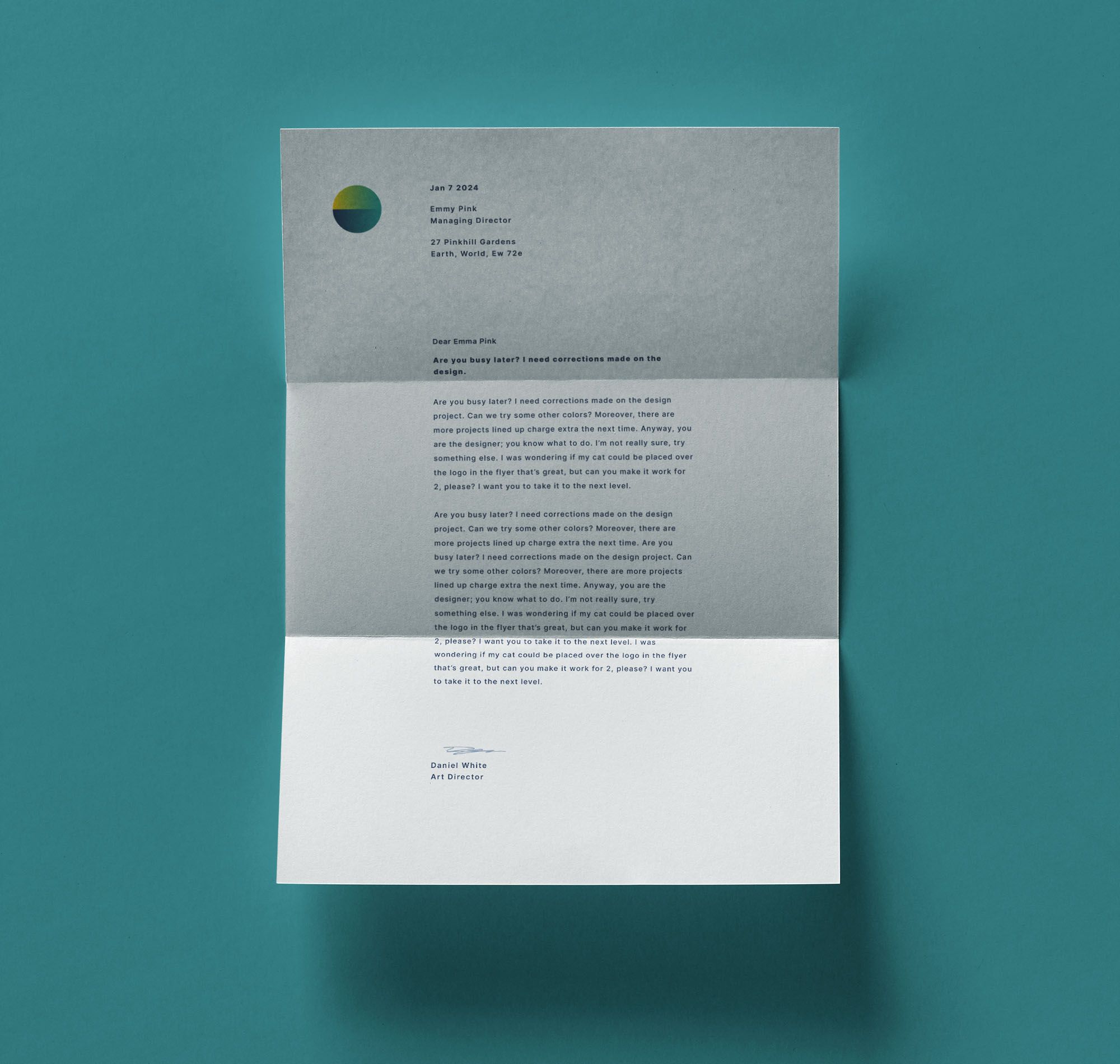
Graphic design translates ideas into visual communication, balancing function, clarity, and expressive graphic language.
Graphic design translates ideas into visual communication. We work by balancing function, clarity, and expressive graphic language. Design begins with understanding what needs to be communicated and who it is for. Visual decisions are guided by purpose, not trends.
Our process starts with research. We study context, audience, and content. This helps define tone, hierarchy, and visual direction. Graphic design is treated as a system of decisions, where form supports meaning and use.
We focus on structure before aesthetics. Layout, typography, and composition create clarity and reading flow. Visual elements guide attention and support understanding. Expression emerges from these structures, not from decoration.
Graphic language is developed to be consistent and adaptable. Typography, color, and layout work together across different formats. This allows the design to function in print, digital, and physical spaces without losing identity.
Design and production stay connected. We consider how designs will be printed, displayed, or distributed from the start. This approach ensures that graphic design remains practical, legible, and expressive across posters, publications, identities, and visual systems.Graphic design translates ideas into visual communication. We work by balancing function, clarity, and expressive graphic language. Design begins with understanding what needs to be communicated and who it is for. Visual decisions are guided by purpose, not trends.
Our process starts with research. We study context, audience, and content. This helps define tone, hierarchy, and visual direction. Graphic design is treated as a system of decisions, where form supports meaning and use.
We focus on structure before aesthetics. Layout, typography, and composition create clarity and reading flow. Visual elements guide attention and support understanding. Expression emerges from these structures, not from decoration.
Graphic language is developed to be consistent and adaptable. Typography, color, and layout work together across different formats. This allows the design to function in print, digital, and physical spaces without losing identity.
Design and production stay connected. We consider how designs will be printed, displayed, or distributed from the start. This approach ensures that graphic design remains practical, legible, and expressive across posters, publications, identities, and visual systems.
Disciplines
Design